By Chuck Urich
October 29, 2026
Professional landscapes do more than improve a property's appearance. They demonstrate a commitment to environmental responsibility, property maintenance, and community well-being. Maintaining attractive outdoor spaces requires expertise, consistency, and appropriate resources. This is where commercial lawn care services become essential. From routine mowing to specialized landscape treatments, professional maintenance helps businesses create healthy, welcoming environments. Understanding the advantages of comprehensive lawn management allows property owners to make informed decisions about their outdoor investments while protecting the long-term condition of their landscapes.
Understanding the Scope of Professional Lawn Maintenance
Commercial lawn care services encompass numerous maintenance activities designed to accommodate different property sizes and landscape conditions. Common offerings include mowing, edging, fertilization, weed control, aeration, seasonal cleanups, and irrigation management. Some providers also offer landscape design, installation, and specialized plant care. Combining these activities into a coordinated maintenance program supports consistent landscape quality while addressing seasonal challenges. Property managers benefit from having dependable professionals oversee essential maintenance responsibilities.
Large properties, including corporate campuses, shopping centers, apartment communities, and municipal facilities, require organized maintenance strategies. Professional crews use specialized equipment to maintain extensive grounds while minimizing operational disruptions. Coordinated scheduling allows maintenance teams to address high-traffic areas, entrances, and shared outdoor spaces efficiently. Proper resource allocation also helps control labor expenses and equipment usage. These practices make maintaining expansive landscapes more manageable, predictable, and cost-effective.
Developing Customized Landscape Maintenance Plans
Every commercial property has unique maintenance requirements influenced by soil composition, climate, grass varieties, and daily activity. Commercial lawn care services provide customized plans that address these specific conditions. Professionals evaluate drainage, sunlight exposure, existing vegetation, and potential maintenance challenges before recommending treatments. Personalized programs can include seasonal fertilization schedules, irrigation adjustments, and targeted improvements. This approach supports healthier landscapes while helping property owners establish realistic maintenance budgets.
Routine maintenance also prevents minor landscape concerns from developing into expensive problems. Scheduled mowing, trimming, inspections, and seasonal treatments help maintain consistent grass growth and property appearance. Regular attention allows professionals to identify early warning signs of pest activity, drainage problems, or declining turf health. Adjusting maintenance frequency according to weather conditions and growing seasons promotes efficiency. Consistency is particularly important for businesses seeking attractive outdoor environments throughout the year.
Enhancing Curb Appeal Through Landscape Design
Thoughtful landscape design enhances commercial properties by creating visual balance between buildings, walkways, lawns, and planting areas. Professional designers consider plant placement, seasonal appearance, accessibility, and ongoing maintenance requirements. Attractive landscaping can establish welcoming entrances, define outdoor gathering spaces, and complement architectural features. Selecting plants suited to local growing conditions also reduces unnecessary maintenance demands. A cohesive design contributes to a professional image while improving the functionality of outdoor areas.
Seasonal flowers and ornamental plants introduce color, texture, and visual interest throughout the year. Landscape professionals select appropriate varieties based on regional temperatures, sunlight requirements, and flowering periods. Rotating seasonal plantings keeps commercial entrances and gathering areas attractive as growing conditions change. Combining annual flowers with established perennials can provide continuous visual appeal while controlling replacement expenses. Proper soil preparation and watering support successful seasonal installations.
Maintaining Healthy Grass Through Mowing and Edging
Consistent mowing and edging create the clean appearance expected of professionally maintained commercial grounds. Correct mowing heights encourage stronger root development and help grass withstand environmental stress. Sharp mower blades produce cleaner cuts, reducing unnecessary damage to turf. Edging defines boundaries around sidewalks, parking areas, and landscape beds. Together, these practices create orderly outdoor spaces while supporting healthy grass growth and minimizing excessive vegetation.
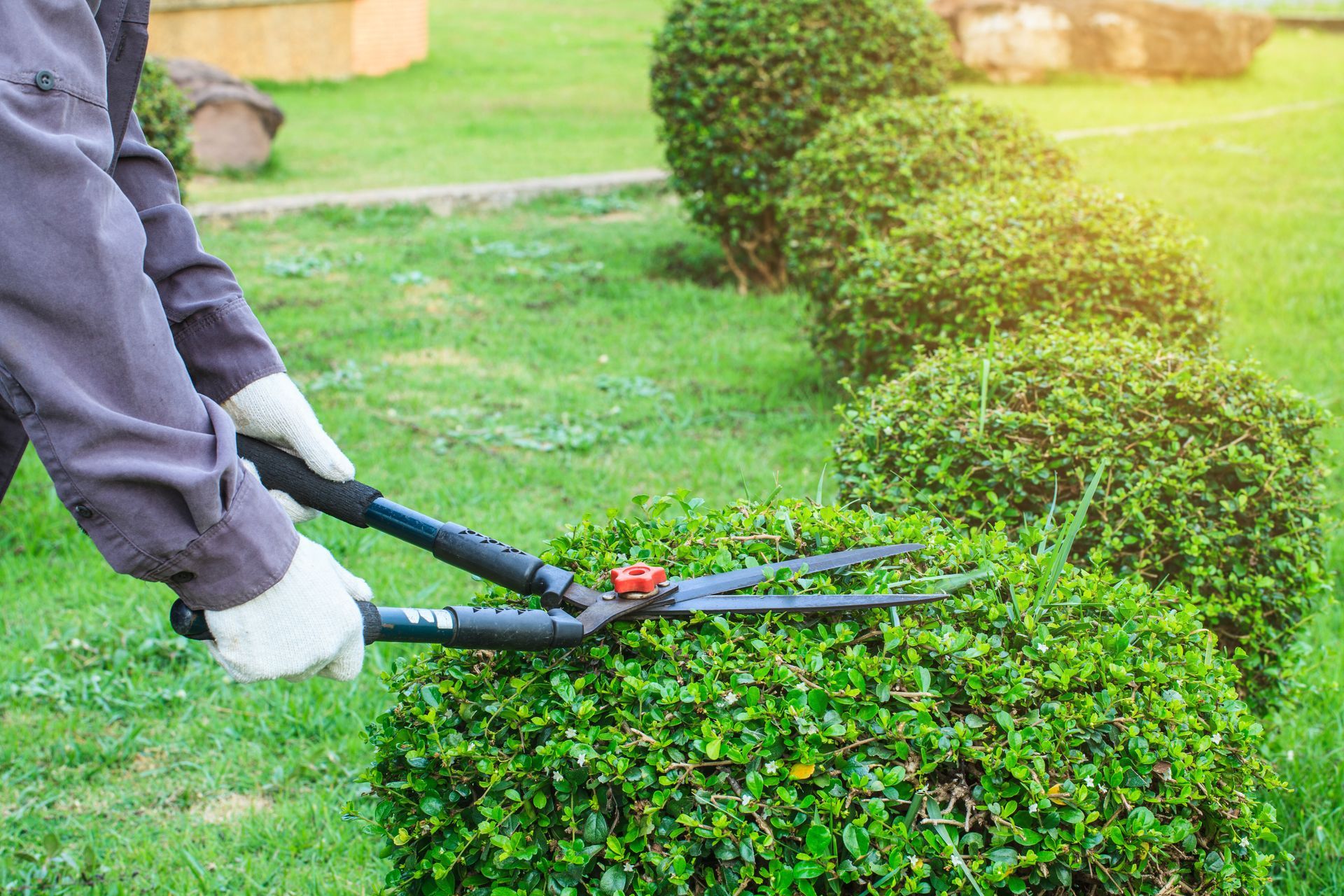
Trees and shrubs also provide shade, structure, and natural beauty to commercial landscapes. Regular inspections help identify damaged branches, disease symptoms, and potential growth problems. Appropriate pruning improves plant structure, encourages healthy development, and prevents vegetation from obstructing walkways or building entrances. Mulching and targeted watering can further support root health. Maintaining established plants protects landscape investments and reduces the likelihood of expensive replacements.
Protecting Lawn Health With Weed and Pest Management
Weeds compete with desirable grasses for sunlight, moisture, nutrients, and growing space. Commercial lawn care services use preventative strategies and targeted treatments to manage unwanted vegetation. Professionals identify common weed species and select appropriate control methods based on seasonal growth patterns. Maintaining healthy turf through proper mowing and fertilization also reduces opportunities for weeds to spread. Consistent monitoring helps preserve uniform lawn coverage and minimize recurring infestations.
Insects, fungal diseases, and other landscape threats can quickly compromise turf quality when left untreated. Integrated pest management combines monitoring, cultural practices, and targeted treatments when necessary. Early intervention limits damage while reducing unnecessary pesticide applications. Maintaining appropriate watering and mowing practices also helps create growing conditions that discourage certain lawn diseases. These preventative measures support healthier vegetation and reduce the need for extensive corrective treatments.
Improving Soil Health Through Fertilization and Aeration
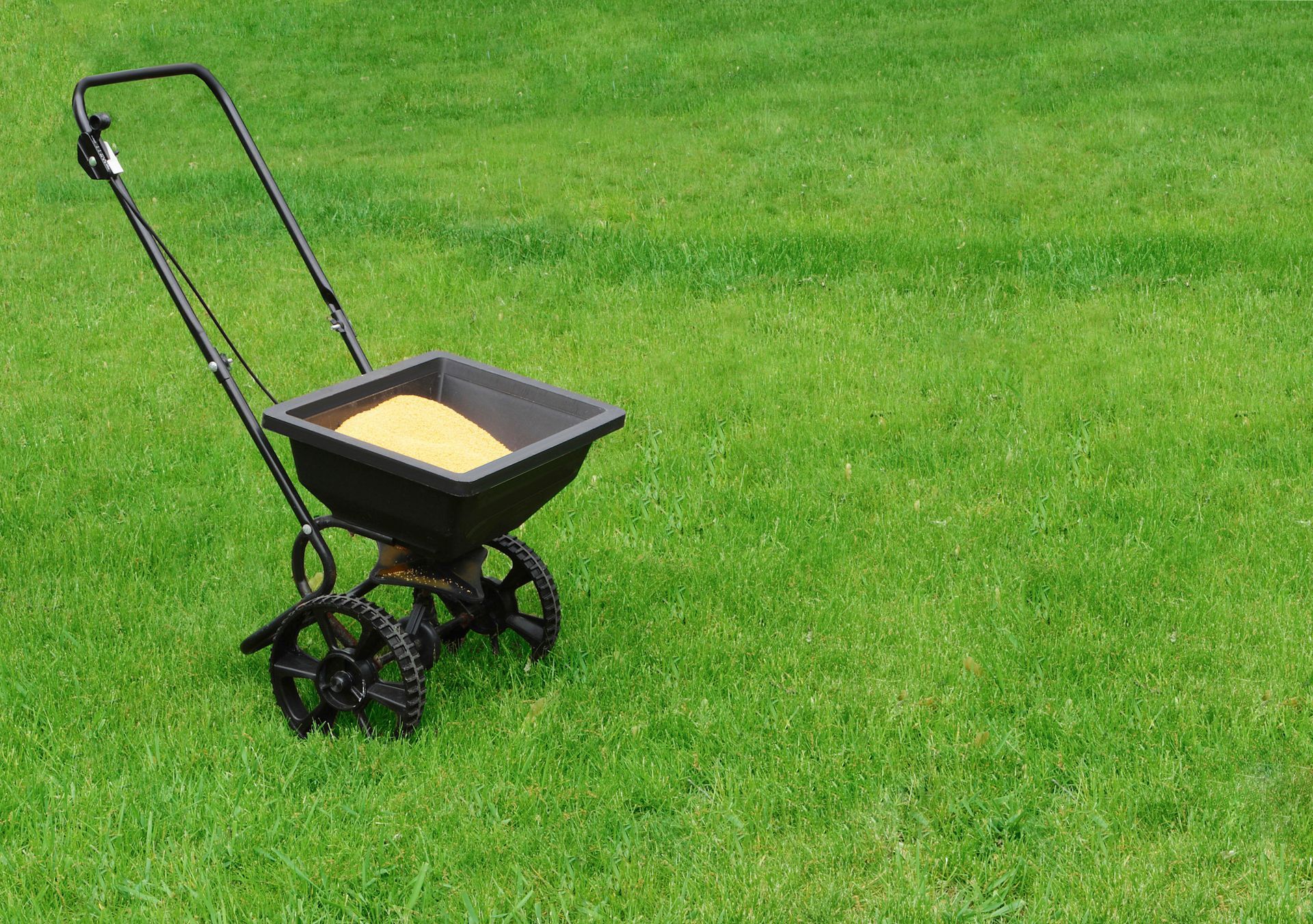
Fertilization supplies essential nutrients that encourage strong grass development and improve resistance to environmental stress. Soil testing helps determine nutrient deficiencies and appropriate treatment recommendations. Professionals consider grass varieties, seasonal growth cycles, and soil conditions when developing application schedules. Applying fertilizers at suitable rates helps prevent excessive growth and unnecessary nutrient runoff. Balanced nutrition contributes to healthier turf, improved color, and stronger root systems.
Compacted soil restricts airflow, water absorption, and root development, particularly in frequently used commercial spaces. Aeration creates openings that allow moisture, oxygen, and nutrients to penetrate more effectively. This process encourages stronger root growth and supports improved turf resilience. Properties experiencing heavy pedestrian traffic may benefit from periodic aeration. Combining aeration with overseeding can also help restore thin or damaged lawn areas, encouraging thicker grass coverage and healthier soil conditions.
Conserving Water With Efficient Irrigation Management
Efficient irrigation supports healthy landscapes without unnecessary water consumption. Commercial lawn care services may include sprinkler inspections, watering adjustments, and irrigation system monitoring. Smart controllers and moisture sensors can help determine when additional watering is necessary. Correcting leaks, adjusting sprinkler coverage, and scheduling irrigation around weather conditions reduce waste. Effective water management also prevents problems associated with oversaturated soil, including weakened roots and certain fungal diseases.
Water conservation is especially important for large commercial properties with extensive landscaped areas. Professionals can divide irrigation systems into zones based on plant varieties, sunlight exposure, and soil moisture requirements. This targeted approach prevents excessive watering in shaded areas while providing sufficient hydration for plants exposed to direct sunlight. Routine inspections help identify damaged sprinkler heads and inefficient watering patterns before they contribute to unnecessary expenses.
Promoting Environmental Sustainability and Property Safety
Sustainable landscape maintenance emphasizes responsible resource consumption and ecological protection. Professionals can incorporate native plants, efficient watering methods, appropriate fertilization, and environmentally conscious equipment practices. Reducing unnecessary chemical applications helps protect surrounding vegetation and waterways. Maintaining healthy soil and selecting climate-appropriate plants can also improve landscape resilience. These strategies support businesses seeking to balance attractive properties with responsible environmental management.
Landscape maintenance also contributes to safer outdoor environments for employees, customers, and visitors. Trimming overgrown vegetation improves visibility around entrances, sidewalks, and parking areas. Removing fallen branches and addressing uneven landscape conditions can reduce potential hazards. Professional crews follow equipment safety procedures and appropriate chemical handling practices. Routine inspections help property managers identify concerns before they interfere with normal business operations or create additional maintenance expenses.
Investing in commercial lawn care services supports healthier vegetation, improved property presentation, and more predictable maintenance expenses. A comprehensive approach combining preventative treatments, efficient irrigation, seasonal planning, and modern technology at helps businesses maintain functional outdoor environments. With dependable professional support and a customized maintenance strategy, commercial properties can retain attractive landscapes that complement their facilities and remain resilient throughout changing seasons. Contact our team at Whipper Snapper Lawn Service today and learn more about our lawn care services.